
Chamber Music
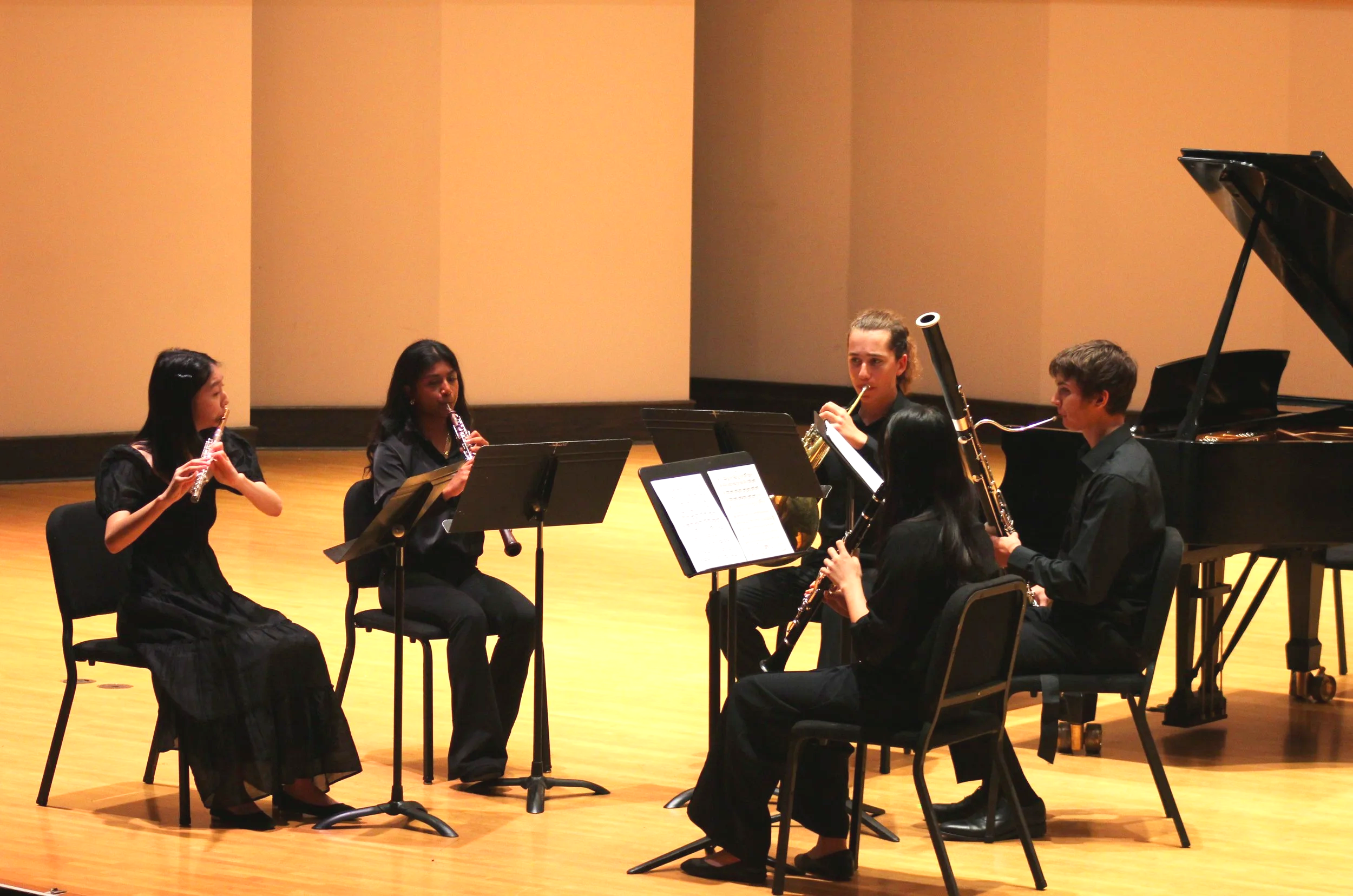
Chamber music is where musicians become collaborators. In a small ensemble — a trio, quartet, or quintet — there's nowhere to hide and no conductor to follow. Every player must listen deeply, communicate constantly, and contribute equally to a shared musical vision.
MYAC's Chamber Music Program is one of the largest and most comprehensive youth chamber music programs in the country. Each ensemble works weekly with a dedicated faculty coach, building individual expression, ensemble unity, and the kind of musical maturity that transforms a good player into a great one.
Kobuki Quartet February 4th, 2018: Andria Radaios and Ariel Chah, violins; Natalie Clarke, viola; Ezra Escobar, cello
PERFORMANCE & RECOGNITION
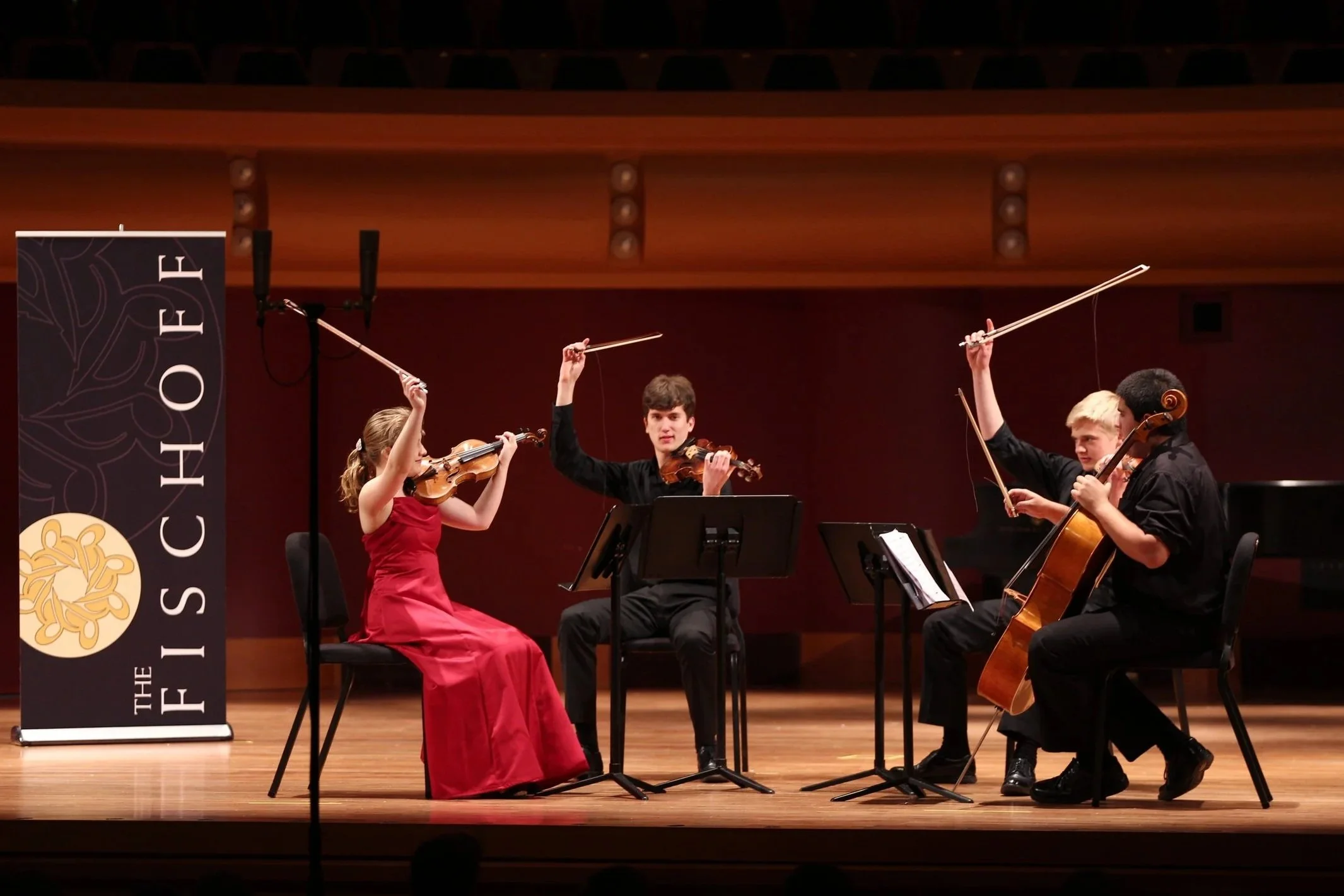
Our chamber ensembles perform throughout the year at MYAC, Ravinia's Bennett-Gordon Hall, and venues across the Chicago area. MYAC hosts its own annual Chicago National Chamber Music Competition, and our most ambitious ensembles have earned top honors at nationally renowned events including the Fischoff National Chamber Music Competition and the St. Paul String Quartet Competition.
MYAC chamber groups have been featured on NPR's From the Top, ABC, CBS, WFMT 98.7 FM, WGN 720 AM, and Music da Camera — bringing the work of our young musicians to audiences far beyond the concert hall.
PROGRAM LEVELS
Students may participate in the Chamber Music Program at three levels — Classic, Intensive, and Sonata Class — varying in the number of coachings, performance requirements, and competitive opportunities. Learn more about program levels and tuition.
Orchestra members in Concert and Symphony Orchestra are placed automatically. Pianists interested in joining as chamber-only students should prepare the following:
All major and minor scales
2 prepared solo pieces of contrasting style
1 prepared excerpt: Beethoven "Ghost" Trio, beginning to measure 21, found online under Symphony Excerpts: Piano
MASTER CLASSES
Throughout the year, MYAC students have the opportunity to work with outstanding musicians from across the country.
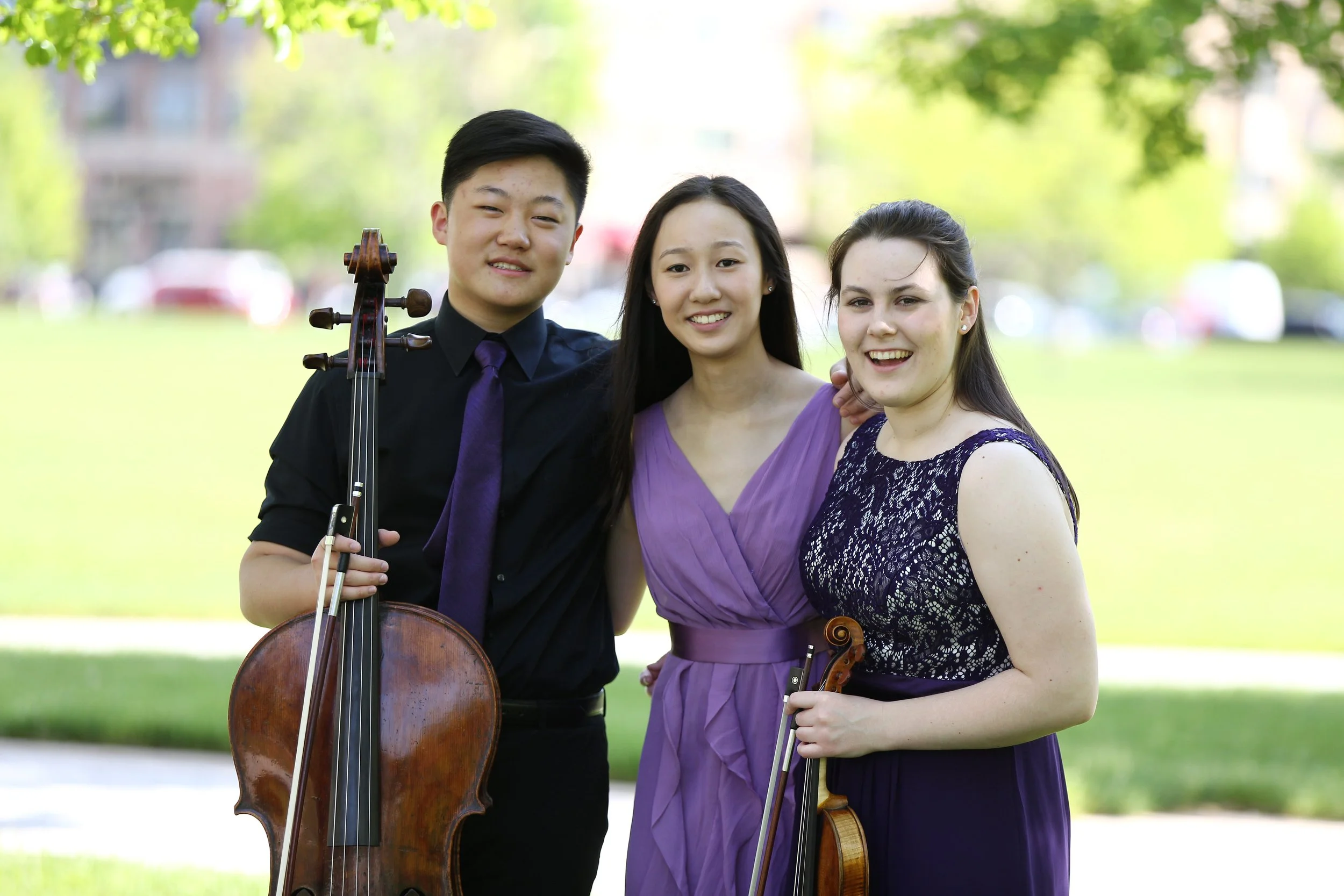
Past master classes have been led by members of the Avalon String Quartet, Jupiter String Quartet, and Illinois Quartet; soloists including Gavriel Lipkind and Alice Schoenfeld; Chicago Symphony Orchestra principal John Bruce Yeh; and Chicago Chamber Musicians faculty Barbara Butler and Rami Solomonow, among others.
FACULTY
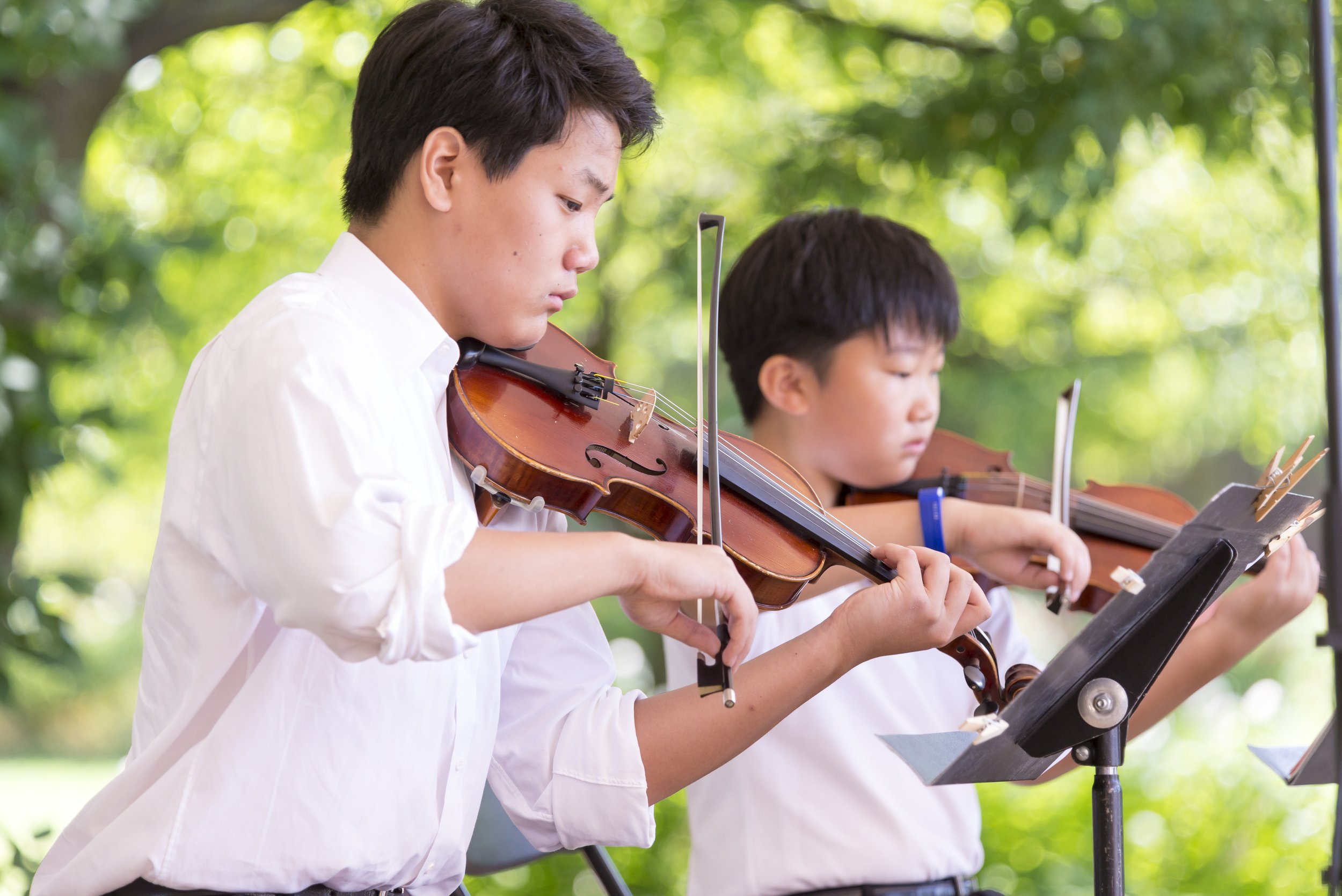
Chamber Music ensembles are coached by MYAC's expert faculty, who are active performers with deep roots in the Chicago music community. Meet our faculty.
Program Details
-
Receives regular one hour coachings with a member of the MYAC Chamber Music Faculty throughout the year
Required to perform on a minimum of one Soiree per semester (2 total per year)
Able to participate in competitions and master classes with Director approval
-
Receives regular coachings with a member of the MYAC Chamber Music Faculty throughout the year
Required to rehearse independently as a group for one hour each week
Required to perform on a minimum of two Soirees per semester (4 total per year)
Expected to compete in the Chicago Chamber Music Competition (entry fee included in Intensive Chamber Music tuition)
Receives preference in scheduling for master classes
-
MYAC also offers a Sonata Class option for Chamber Music Program placement. Sonata Class is an opportunity for 3-5 students to meet with a coach/pianist and discuss sonata form while working on a sonata piece of their choosing, usually selected in consultation with the student’s private teacher. Sonatas are considered chamber music because there is much more “interplay” between the piano and solo part than between the solo and orchestral part as in a concerto. A single Sonata Class may contain a variety of instruments, which makes for a diverse learning opportunity!
Receives regular one hour coachings with a member of the MYAC Chamber Music Faculty throughout the year
Required to perform on a minimum of one Soiree per semester (2 total per year)
-
Recordings
Every Soiree performance is recorded and will be sent to students and coaches by our Chamber Music Program Coordinator. We strongly encourage all students to watch their performances with their ensemble — it's one of the most effective tools for growth.
Attendance
Regular attendance is essential to the chamber music experience. Every absence affects the whole ensemble, not just the individual student. The following procedure applies to both fall and spring semesters:
2 absences: The office notifies the student and family and reviews the attendance policy with them.
3 absences: The student is formally warned that any further absence from rehearsal or performance may result in replacement.
4 absences: The student is removed from the ensemble. Tuition is non-refundable at this stage.